
The Benefits of a Paediatric Heart Scan: What an Echocardiogram Can (and Can't) Tell You
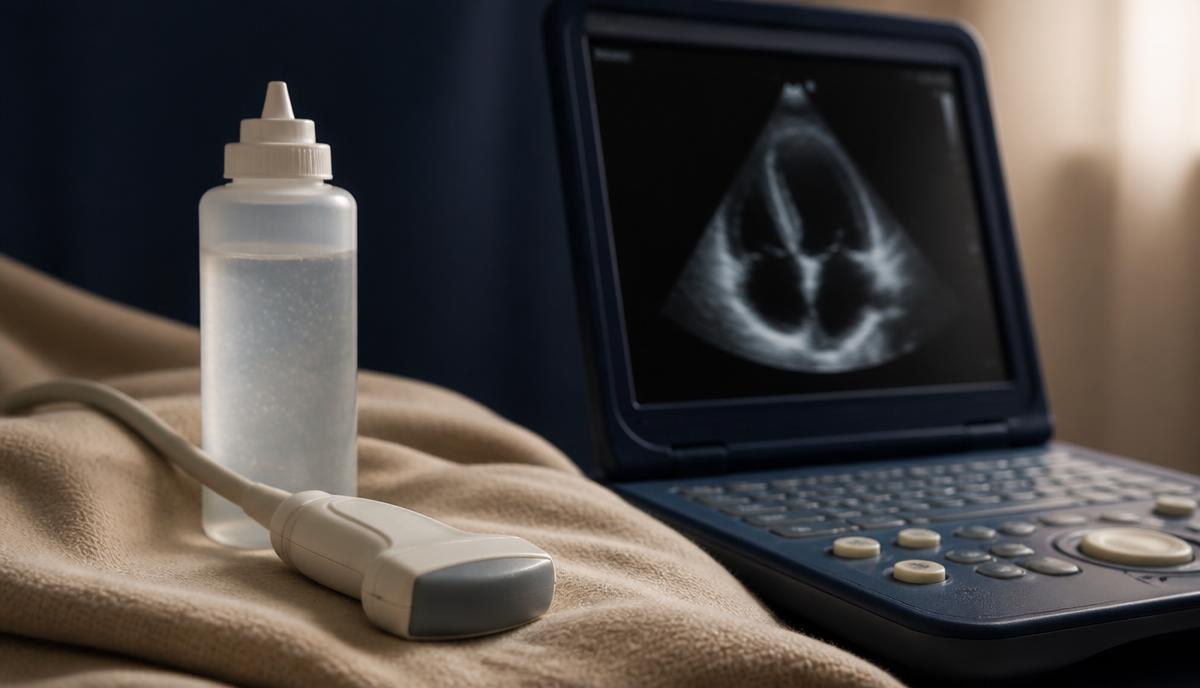
A heart murmur picked up at a routine check, a family history of heart problems, or simply wanting reassurance before your child starts competitive sport — there are several genuine reasons a paediatric heart scan gets recommended. Here's what it actually involves, and what it can tell you.
What an Echocardiogram Actually Is
An echocardiogram (“echo”) is an ultrasound scan of the heart — the same painless, radiation-free technology used in pregnancy scans, just aimed at the chest instead. A probe placed on the skin sends sound waves that bounce back to create a live, moving image of the heart's structure and how blood is flowing through it. There's no needle, no sedation, and it can be repeated as often as needed.
What It Can Detect
- Congenital heart defects — structural issues present from birth, such as holes in the heart or narrowed valves
- Heart muscle conditions — including cardiomyopathies that affect how well the heart pumps
- Valve problems — narrowing or leaking that a stethoscope alone can suggest but not confirm
- The cause of a heart murmur — most childhood murmurs are entirely harmless (“innocent murmurs”), but an echo is what actually distinguishes an innocent murmur from one that needs monitoring
Why “It's Probably Nothing” Isn't the Same as “We Checked”
Innocent heart murmurs are genuinely common — many children have one at some point, and most never need treatment. But a murmur heard through a stethoscope tells you that something is making a sound, not what is making it. An echocardiogram is the difference between an educated guess and an actual answer, which matters both for genuine reassurance and for catching the rarer cases that do need follow-up.
When a Scan Is Worth Considering
- To rule out congenital abnormalities that may only show themselves in adolescence or during specialist/elite-level activity
- A significant hole in the heart that could lead to a stroke in young adulthood if left undetected
- Valve or arterial abnormalities that a stethoscope alone can't confirm
Beyond these, a scan is also worth considering if a heart murmur has been noted at a check-up (even if presumed innocent), there's a family history of cardiomyopathy or sudden cardiac death at a young age, or your child experiences fainting during exercise, chest pain, or unusual breathlessness.
What to Expect on the Day
The scan itself takes around 20–45 minutes. Your child lies down while a sonographer or cardiologist moves the probe across the chest, sometimes asking them to shift position to get clearer views. A cool gel is used to help the sound waves transmit — mild coolness is the only sensation involved. Most children tolerate it easily, and results are typically discussed with a cardiologist on the same day.
Want A Doctor's View?
Book a private paediatric heart consultation and echocardiogram at our Esher or Epsom clinic — same- and next-day appointments available.
Book now